
Factors that influence electric vehicle charging time
Published on 29 February 2024 by Equipa Enbiente
- Mobility
- Charging
- Efficiency
The time required to charge an electric vehicle can vary significantly depending on several factors.
The two main factors are battery capacity and charging power, but there are other relevant aspects worth understanding.
In this article, we explain what truly influences vehicle charging and how you can optimise it.
Battery capacity
Battery capacity represents the amount of energy that can be stored, measured in kilowatt-hours (kWh).
Today, electric vehicle batteries typically range from 30 kWh to 100 kWh, depending on the model.
In simple terms: the larger the battery capacity, the longer a full charge will take.
For example, a 100 kWh battery will take approximately three times longer to fully charge than a 30 kWh battery, assuming the same charging power.
Charging power
Charging power, measured in kW, indicates how much energy can be delivered to the battery per hour.
It depends on three essential factors:
- The contracted power available at the charging location, for example 3.7 kW or 7.4 kW in a home;
- The vehicle's onboard charger, which limits the power the battery can receive;
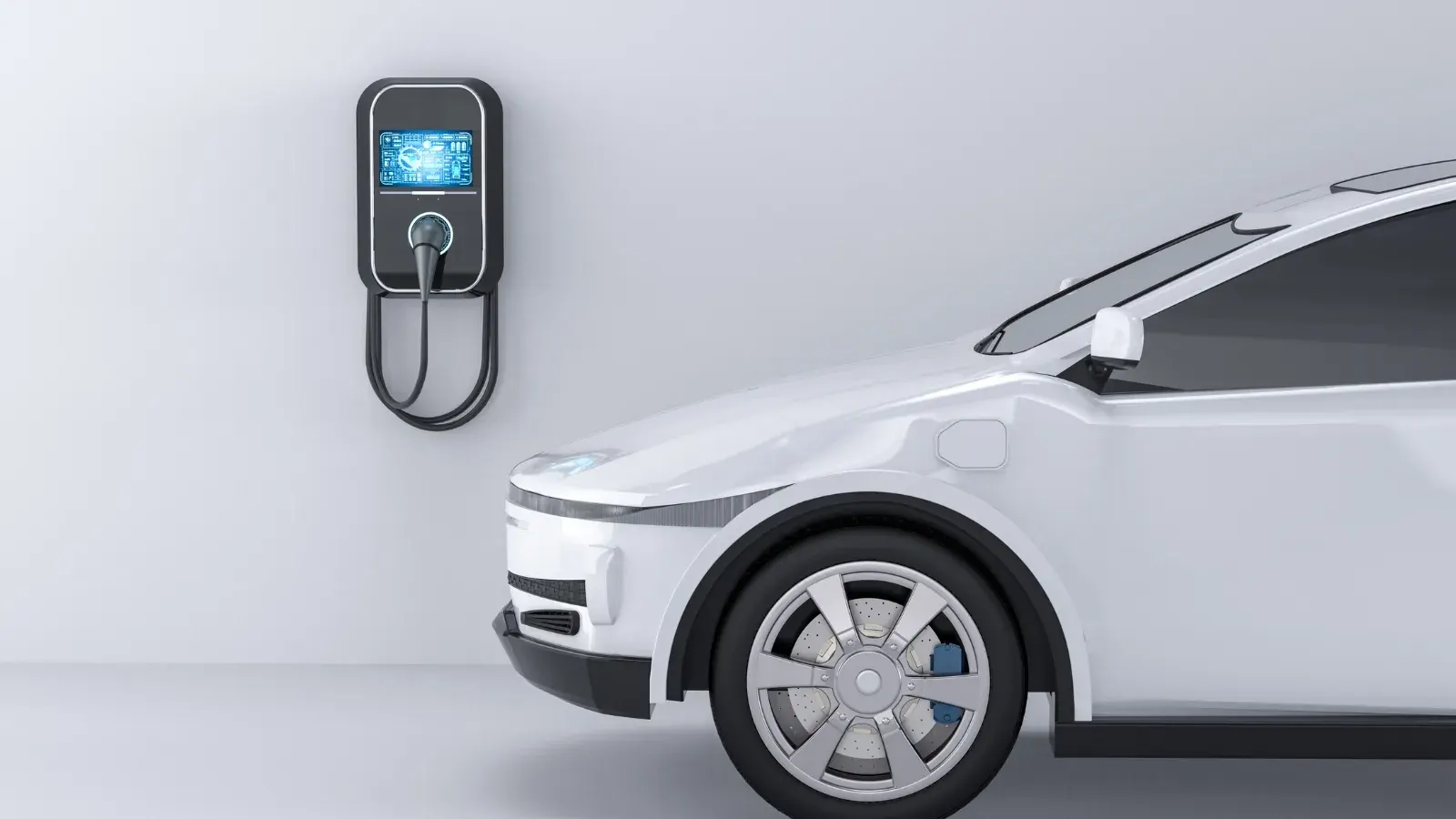
- The external charger, such as a wallbox or public charging station.
Charging speed will always be determined by the weakest element in the system.
Practical example
Imagine the following scenario:
- Contracted power: 7.4 kW;
- Vehicle charger: 11 kW;
- External charger: 22 kW;
- Battery capacity: 40 kWh.
In this case, the charging power is 7.4 kW, because it is the lowest value among the three.
Therefore, the total charging time is:
40 kWh ÷ 7.4 kW = approximately 5.4 hours
Other factors that affect charging time
In addition to power and battery capacity, several variables directly influence the charging process:
- Ambient temperature: cold weather reduces battery efficiency and increases charging time;
- Time of day: during electricity demand peaks, charging can be slower;
- State of charge: batteries charge more slowly below 20% or above 80%;
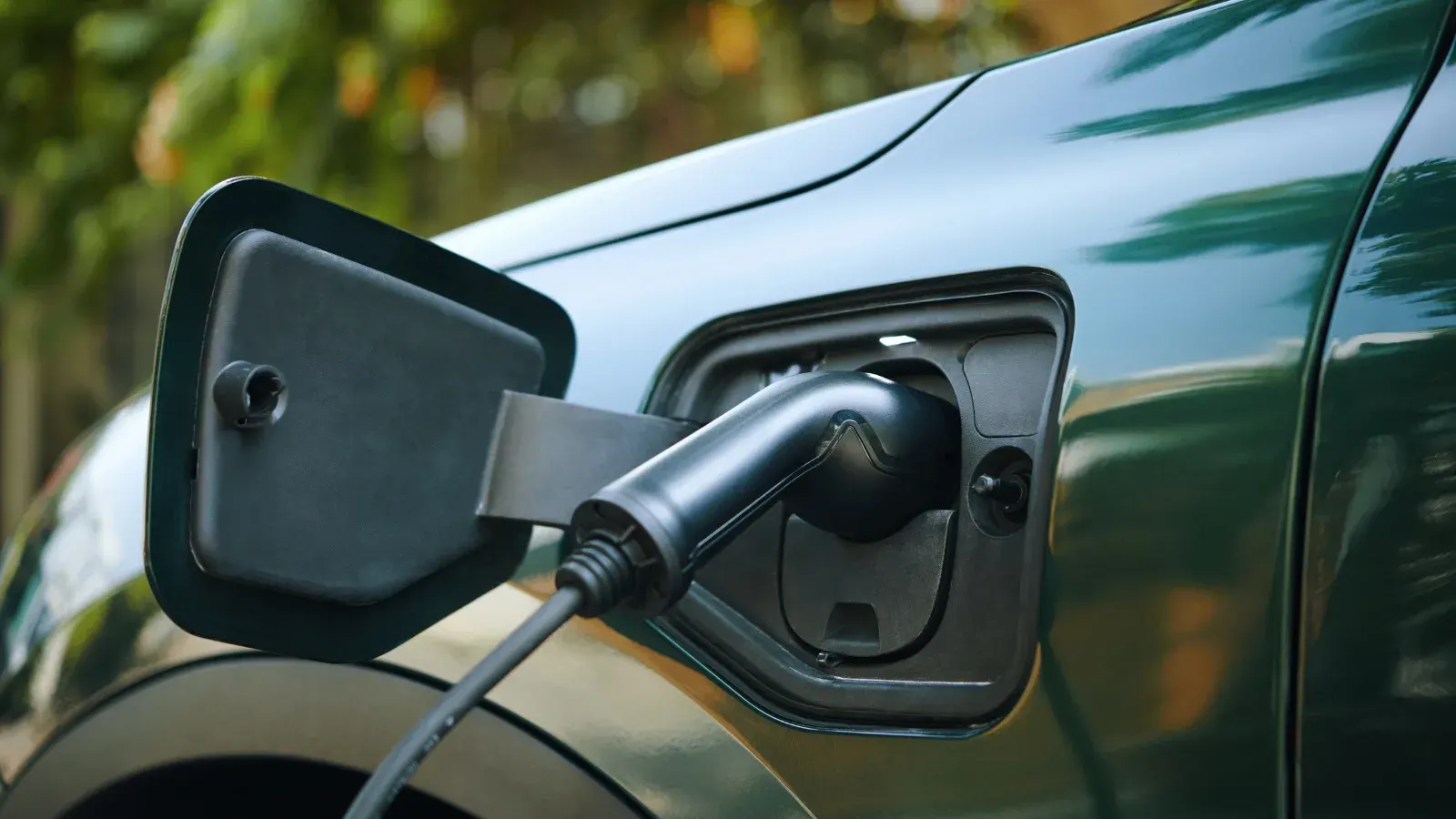
- Cable and connector type: Type 1, Type 2 and CHAdeMO cables support different power levels and charging times;
- Smart charging management: helps avoid drops below 20% and extends battery lifespan;
- Regular use: vehicles that remain parked for long periods lose efficiency; regular driving helps preserve the battery.
Enbiente tip: drive and charge intelligently
Using a smart charger allows you to schedule charging times, for example outside peak hours, and ensure that the battery never drops below 20%.
This helps optimise consumption, save energy and increase the durability of your electric vehicle.
Enbiente: complete charging solutions
At Enbiente, we provide charging solutions for electric vehicles, using equipment from some of the most respected brands on the market.
We offer residential, business and public charging options, all with certified installation and complete technical support.
Our solution includes:
- Equipment and installation as a turnkey solution;
- Personalised study and sizing;
- Specialist technical and after-sales support.
Explore our catalogue and request your free quote.
With Enbiente, charging your vehicle is simple, fast and safe.